Merry Christmas! I hope everyone has had a great time with love ones and safe journey. Once again, lots of great things were done over Christmas this year.
Previous post I touched on three major focuses I've found when I was volunteering, working, and studying about nonprofit organizations in BC, particularly Lower Mainland BC. In this post, I would like to expand on the first focus, "Lack of Financial Supports".
There are several ways a nonprofit organization can obtain financial income: donations, sponsors, grants, product or service fees, etc. Many organizations I am aware of, spend lots of time on seeking donations, sponsors, and grant writings; but not many seek to improve its services or products and focus on sustainable income from its own operation. It is true that many organizations are serving to the target with limited income; thus, charging the clients for sustainability would not be feasible, but that does not mean the organization cannot have additional services to generate funds, or even a social enterprise.
The question is probably how to create such thing as social enterprise or provide services that high income population can enjoy because of the perception toward nonprofit organizations' services (eg. private fitness facility versus YMCA).
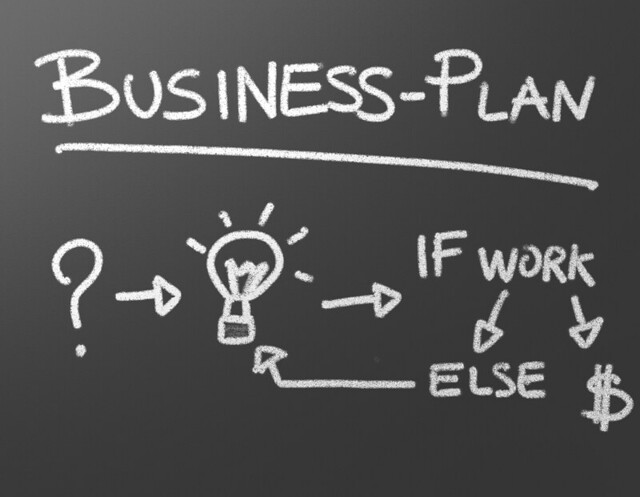
As many nonprofit organizations will hate me for this, but it is true that we need to operate as if we are a business. This does not mean that we need to pursue maximization of shareholder's wealth. It means, we need to have a organizational (business) plan for both short and long term (click here if you are not sure what is business plan looks like).
Do we really need a organizational plan for a not-for-profit organization? I say yes, because business plan organizes all aspects within an organization and the detailed organizational plan would create a clear single path for staff to follow. Which will likely lead the organizations to the successful result.
Lastly, having products and services that allow organizational sustainability will generate constant cash flow rather than relying on single-time donation. Several organizations is now pursuing sustainability plan by using monthly sign-up which in my opinion, is not sustainable (even though the results proved otherwise).
Next I will discuss about the second topic, "Lack of skilled labors". Generally, it is one of the important reasons preventing nonprofit organizations to grow. Find out in my next post.
The question is probably how to create such thing as social enterprise or provide services that high income population can enjoy because of the perception toward nonprofit organizations' services (eg. private fitness facility versus YMCA).
As many nonprofit organizations will hate me for this, but it is true that we need to operate as if we are a business. This does not mean that we need to pursue maximization of shareholder's wealth. It means, we need to have a organizational (business) plan for both short and long term (click here if you are not sure what is business plan looks like).
Do we really need a organizational plan for a not-for-profit organization? I say yes, because business plan organizes all aspects within an organization and the detailed organizational plan would create a clear single path for staff to follow. Which will likely lead the organizations to the successful result.
Lastly, having products and services that allow organizational sustainability will generate constant cash flow rather than relying on single-time donation. Several organizations is now pursuing sustainability plan by using monthly sign-up which in my opinion, is not sustainable (even though the results proved otherwise).
Next I will discuss about the second topic, "Lack of skilled labors". Generally, it is one of the important reasons preventing nonprofit organizations to grow. Find out in my next post.
"Shaping the Future of Business"
Keep in touch:
Twitter - @Rathapat_S
LinkedIn - Rathapat (Moe) Suwanaratana


